
How Long Should You Cold Plunge? A Complete Guide
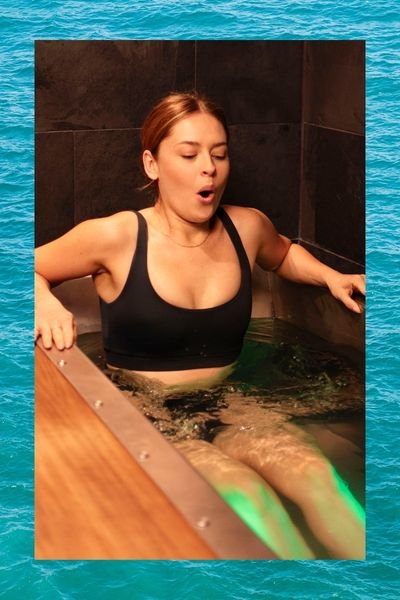
The Science and Practice of Cold Water Immersion
Cold water immersion, often referred to as cold plunging, has rapidly gained popularity as a wellness practice for its extensive health benefits. This method involves immersing the body in water at temperatures below 60 degrees Fahrenheit. While the concept might seem intimidating, the practice is rooted in centuries of use across various cultures for its therapeutic effects.
The modern resurgence of cold plunging is backed by a growing body of scientific research that highlights its positive impact on physical and mental health. The fundamental principle behind cold plunging is the body's physiological response to cold stress. When exposed to cold, the body initiates a series of adaptive mechanisms to maintain its core temperature. This response, known as hormesis, involves a low dose of a stressor that stimulates a beneficial adaptive response.
The initial shock of the cold water triggers the fight or flight response, leading to a surge in norepinephrine, a hormone and neurotransmitter that plays a crucial role in attention, focus, and mood. This immediate effect is often described as a feeling of exhilaration and heightened alertness.
Beyond the initial jolt, the practice offers a multitude of deeper, more sustained benefits. One of the most well-documented advantages of cold plunging is its effect on inflammation. The cold temperature causes vasoconstriction, the narrowing of blood vessels, which helps to reduce blood flow to inflamed areas, thereby decreasing swelling and pain. This is why athletes have long used ice baths for recovery. The practice also has a profound impact on the circulatory system.
The repeated exposure to cold and subsequent rewarming trains the blood vessels to constrict and dilate more efficiently, which can lead to improved circulation over time. This enhanced blood flow ensures that oxygen and nutrients are delivered more effectively to cells throughout the body, while also aiding in the removal of metabolic waste products.
The benefits extend to the immune system as well. Studies have shown that regular cold exposure can lead to an increase in white blood cell production, which are responsible for fighting off pathogens. This immune-boosting effect can make individuals more resilient to common illnesses.
Cold plunging also has a significant impact on mental well-being. The release of endorphins, the body's natural mood elevators, can help to alleviate symptoms of depression and anxiety. The practice also builds mental resilience. By willingly subjecting oneself to the discomfort of the cold, individuals can develop a greater tolerance for stress in other areas of their lives.
The act of controlling one's breath and staying calm in the face of the cold shock is a powerful form of mindfulness training. At Pure Sweat Studios, we ensure a safe, controlled and supportive environment to explore these benefits.
Preparing for Your First Cold Plunge
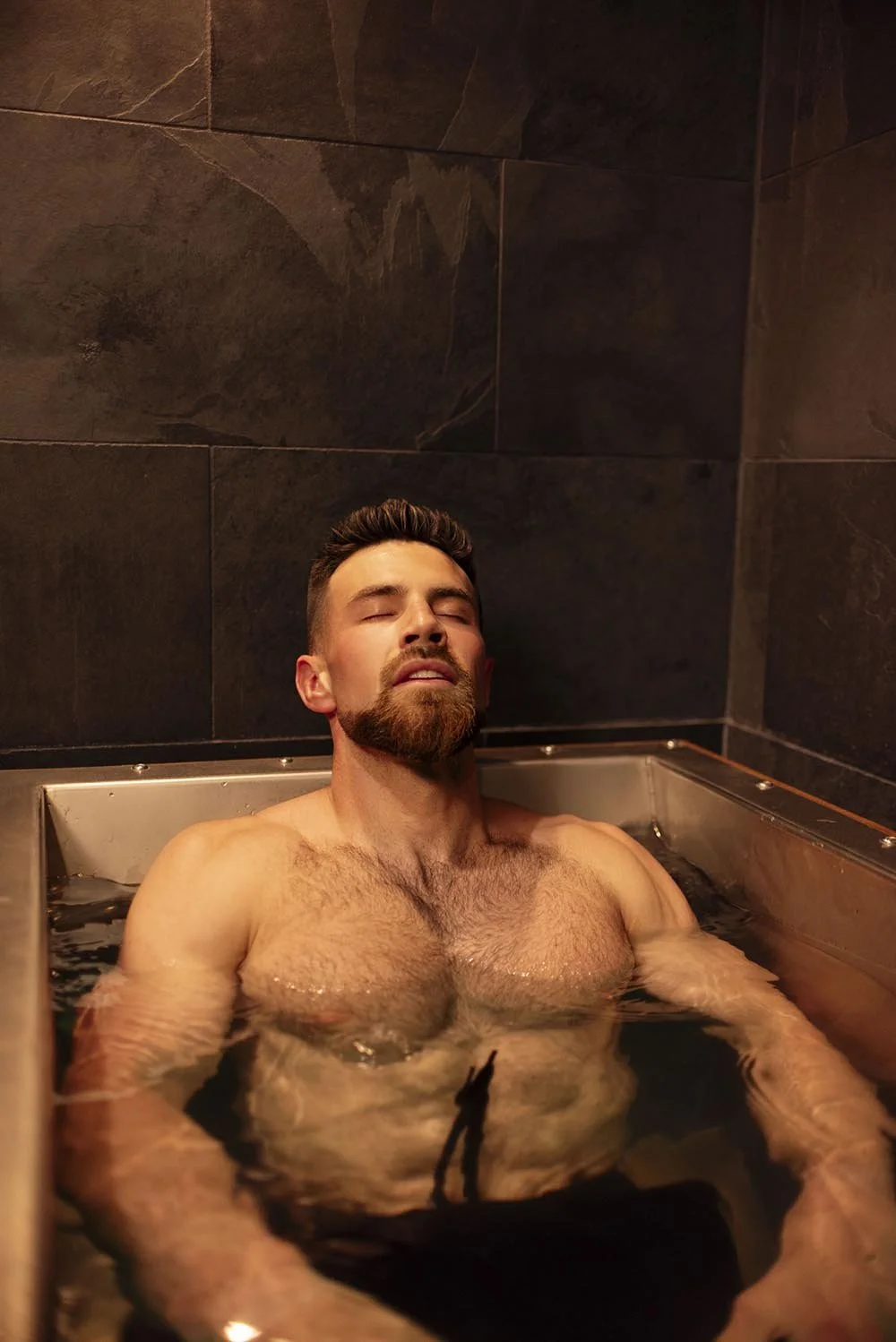
Embarking on your cold plunge journey requires some preparation to ensure a safe and effective experience. Proper breathing techniques are crucial for managing the initial cold shock. The natural reaction to cold water is to gasp and take short, shallow breaths. However, this can increase feelings of panic and make the experience more challenging. Instead, it is important to focus on slow, controlled breathing.
Deep, diaphragmatic breaths can help to calm the nervous system and make the experience more manageable. Popular breathwork techniques include box breathing and nasal breathing - in through the nose for 4 seconds and out through the nose for 8 seconds. Practice this type of breathing before you get into the water to support an empowered mindset.
Hydration is another key aspect of preparation. It is important to be well-hydrated before and after your contrast therapy session to support the body's detoxification processes and ensure that your cells are functioning optimally.
You can also bring a guest with you to share in and support your first experience. Contrast therapy is a really fun, communal activity, and friends can provide camaraderie, encouragement, and celebration. Ask your local Pure Sweat studio about small group bookings or our private Pure Parties.
After the plunge, the focus should be on warming up your body naturally for about two minutes before entering the sauna. Your body is working hard to heat up, and this process promotes metabolic and cardiovascular health.
Don’t be surprised if you shiver, the body's way of generating heat. During a shiver, you are also activating brown fat, a specialized type of body fat that burns calories and breaks down blood sugar (glucose) and fat molecules to produce heat instead of storing energy. Gentle movement such as stretching can also help to increase blood flow and warm the body.
Finding Your Optimal Time and Frequency
The question of how long to stay in a cold plunge is one of the most common, and the answer is not one-size-fits-all. The optimal duration depends on several factors, including your experience level, the water temperature, and your personal health goals. For beginners, a good starting point is to aim for a duration of one to three minutes. This is long enough to trigger the beneficial physiological responses without overwhelming the system.
It is important to listen to your body and get out if you feel overly uncomfortable or experience any adverse reactions. After the one-minute mark, many clients transition into a phase where the cold plunge is more tolerable.
As you become more accustomed to the practice, you can gradually increase the duration of your sessions. Many experienced practitioners find that sessions of three to five minutes are effective. Some may even go longer, but it is important to remember that more is not always better. The goal is to stimulate the body, not to push it to its limits.
The concept of a total weekly duration is also important to consider. Research has shown that a total of 11 minutes of cold water immersion per week, broken up into several sessions, can provide significant metabolic benefits. This could be achieved through three to four sessions of two to three minutes each. Consistency is more important than frequency. It is better to have a regular practice of two to three sessions per week than to plunge sporadically.
The timing of your cold plunge can also influence its effects. Many people enjoy plunging in the morning, as the surge of norepinephrine can provide a natural energy boost and enhance focus for the day ahead. Others find that plunging in the evening can help to improve sleep quality.
The decision of when to plunge is ultimately a matter of personal preference and what works best for your schedule. It is also worth noting that the body's response to cold can vary from day to day. Factors such as sleep, stress, and diet can all influence your tolerance for the cold. It is important to be mindful of these factors and adjust your practice accordingly.
The Power of Contrast Therapy
At Pure Sweat Studios, we offer private contrast therapy suites that can be enjoyed individually or with guests. Each suite is beautifully appointed with towels, accessories, a customizable playlist, and en-suite shower.
While cold plunging is a powerful practice on its own, its benefits are amplified when combined with heat therapy in a practice known as contrast therapy. This involves alternating between hot and cold environments, such as an infrared sauna and a cold plunge. The combination of hot and cold creates a synergistic effect that enhances the benefits of each individual therapy.
The heat from the sauna causes vasodilation, the widening of blood vessels, which increases blood flow and promotes relaxation. The subsequent exposure to the cold plunge causes vasoconstriction, the narrowing of blood vessels.
This alternating between vasodilation and vasoconstriction acts as a pump for the circulatory system, improving blood flow and promoting the delivery of oxygen and nutrients to cells. This enhanced circulation can also aid in the removal of metabolic waste products and reduce inflammation.
The timing of cold plunging in relation to exercise is another important consideration. Plunging after a workout can help to reduce muscle soreness and inflammation, which can aid in recovery. The cold can also help to flush out lactic acid, which can accumulate in the muscles during intense exercise. However, there is some debate about whether cold plunging immediately after a strength training workout can blunt the muscle-building response. Some research suggests that it is best to wait a few hours after a strength workout before plunging.
On the other hand, plunging before a workout can have its own set of benefits. The surge of norepinephrine can increase energy and focus, which can lead to a more effective workout. The cold can also help to prime the nervous system for activity.
Ultimately, the decision of whether to plunge before or after a workout depends on your individual goals. If your primary goal is recovery, then plunging after a workout may be more beneficial. If your goal is to enhance performance, then plunging before a workout may be a better option. Experimenting with both approaches can help you to determine what works best for you.
The combination of an infrared sauna and a cold plunge offers a comprehensive approach to wellness, addressing everything from muscle recovery and inflammation to mental clarity and stress reduction. This powerful duo provides a holistic way to support the body's natural healing processes and enhance overall well-being.
Your pure sweat cold plunge experience
At Pure Sweat Studios, we believe in the power of combining the best wellness modalities + manufactures to create a truly transformative experience. Our cold plunges represent pioneering technologies in sanitation, ergonomic design, flow rate, and customization.
Their generous size allow full body + head submersion combined with dynamic water flow to optimize the full benefits of cold plunging. Whether you are a beginner or maximalist, the result is unparalleled opportunities within cold plunge therapy.
Like many disciplines, cold plunging evolves with continual use, building insight, perseverance, and cascading health benefits. If you are new to cold plunging, we recommend stair stepping your progress over time. We will guide you with an introductory plan + provide optional contrast therapy programs to support your endurance and health goals.
When you feel good, life is good!