
What Is Contrast Therapy + How Does It Work?

The Science of Alternating Hot and Cold
Contrast therapy, also known as contrast water therapy, is a therapeutic practice that involves alternating between hot and cold temperatures to stimulate profound physiological responses within the body. This method has been used for centuries in various forms, from ancient Roman baths to modern sports medicine, as a powerful tool for enhancing recovery, reducing inflammation, and promoting overall wellness.
The fundamental principle behind contrast therapy is the body's circulatory response to rapid changes in temperature. Exposure to heat, typically in the form of an infrared sauna or a hot bath, causes vasodilation, which is the widening of blood vessels. This process increases blood flow to the skin and muscles, delivering a fresh supply of oxygen and nutrients while helping to relax tense muscles. Conversely, exposure to cold, usually through a cold plunge or a cold shower, causes vasoconstriction, the narrowing of blood vessels. This reduces blood flow to the extremities and directs it toward the body's core to conserve heat and protect vital organs.
The magic of contrast therapy lies in the repeated cycle of this vasodilation and vasoconstriction. This alternating expansion and contraction of the blood vessels creates a powerful pumping action within the circulatory and lymphatic systems. This "pumping" effect is highly effective at flushing out metabolic waste products, such as lactic acid, which can accumulate in the muscles during exercise and contribute to soreness and fatigue. It also helps to reduce swelling and inflammation by moving excess fluid away from injured areas.
The lymphatic system, which is a crucial part of the immune system, does not have its own pump like the circulatory system's heart. It relies on muscle contractions and movement to circulate lymph fluid, which carries waste and toxins away from the tissues. Contrast therapy provides a significant boost to this process, enhancing the body's natural detoxification capabilities. The practice is more than just a physical experience; it also has a significant impact on the nervous system.
The initial shock of the cold water stimulates the sympathetic nervous system, triggering the release of norepinephrine and creating a feeling of alertness and energy. The subsequent warmth of the sauna promotes the activation of the parasympathetic nervous system, inducing a state of relaxation and calm. This balancing effect on the autonomic nervous system can help to improve resilience to stress and enhance overall mood.
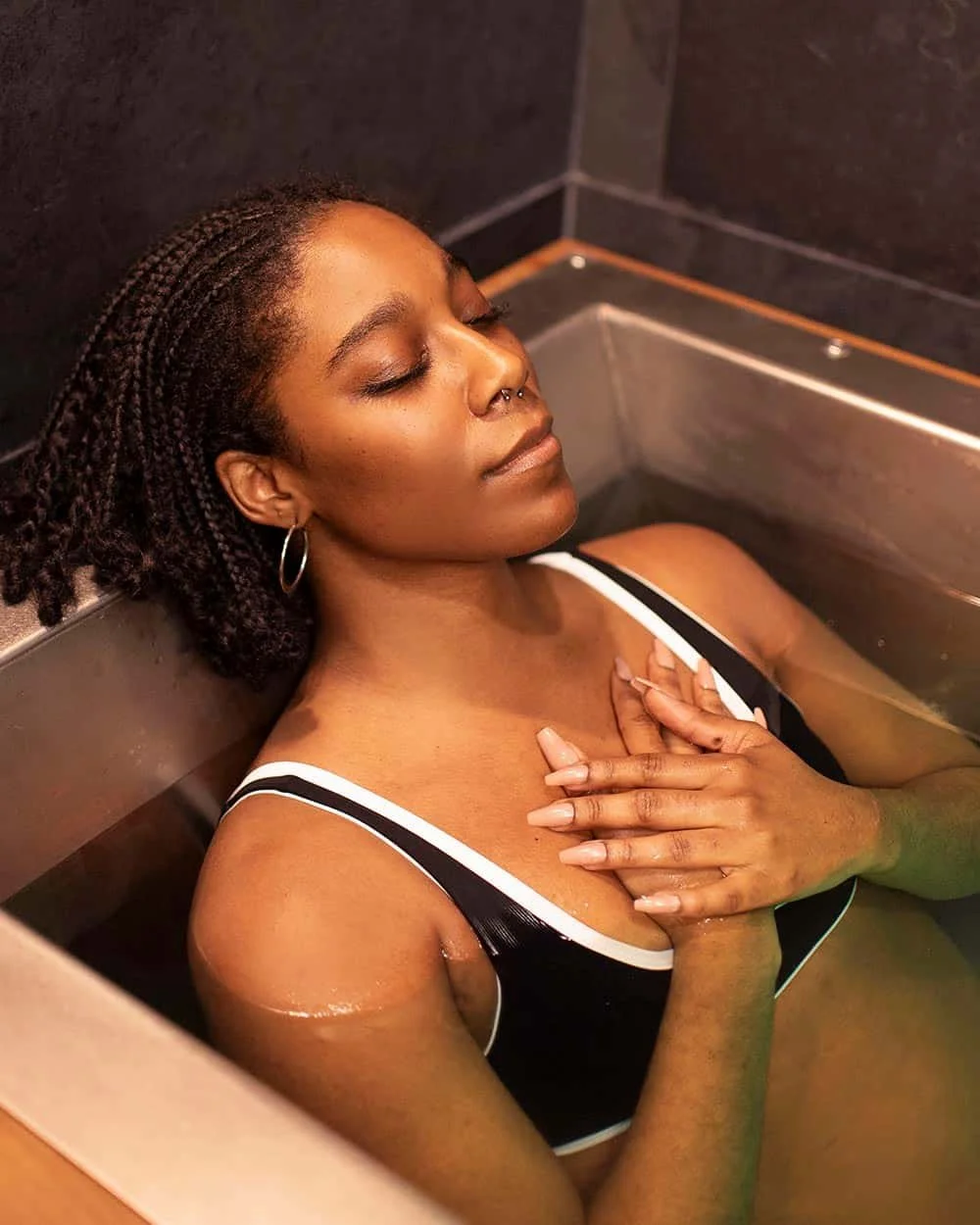
The Myriad Benefits of a Contrast Therapy Practice
The benefits of incorporating contrast therapy into a regular wellness routine are extensive and impact nearly every system in the body. For athletes and active individuals, the most significant advantage is accelerated recovery. By efficiently flushing out metabolic waste and reducing inflammation, contrast therapy can significantly decrease delayed onset muscle soreness (DOMS) and help the body repair and rebuild muscle tissue more effectively. This means less downtime between training sessions and improved overall performance.
The practice is also a powerful tool for pain management. The reduction in inflammation and swelling can provide significant relief for those suffering from chronic pain conditions, such as arthritis, as well as acute injuries like sprains and strains. The increased blood flow also delivers oxygen and nutrients to damaged tissues, promoting faster healing.
Beyond physical recovery, contrast therapy offers substantial benefits for mental health. The release of endorphins during both the hot and cold phases can create a powerful mood-boosting effect, helping to alleviate symptoms of anxiety and depression. The practice of enduring the discomfort of the cold and then embracing the comfort of the heat can also build mental fortitude and resilience, teaching the mind to remain calm and focused in the face of stress.
The immune system also receives a significant boost from contrast therapy. The stimulation of the lymphatic system enhances the body's ability to clear out toxins and pathogens. Some studies have also suggested that the practice can increase the production of white blood cells, which are the body's primary defense against infection and illness. This can lead to a more robust immune response and a reduced frequency of sickness.
Metabolic health is another benefit of contrast therapy. The body has to work hard to adapt to the rapid temperature changes, which can increase metabolic rate. The exposure to cold can also stimulate the activation of brown adipose tissue, or brown fat, which is a type of fat that burns calories to generate heat. Over time, this can contribute to improved metabolic function and may even aid in weight management. The skin also benefits from the enhanced circulation, receiving a greater supply of oxygen and nutrients, which can lead to a healthier, more radiant complexion.
How to Do Contrast Therapy Safely and Effectively
To get the most out of your contrast therapy session, it is important to follow a structured protocol and listen to your body when alternating between infrared sauna and cold plunge.
The specific timing of the hot and cold intervals can be adjusted based on your experience level and personal preference, but a common starting point is to spend about 15 to 20 minutes in the sauna, followed by a one to three-minute cold plunge. This cycle can be repeated two to three times for a complete session. It is generally recommended to end your session with the cold exposure, as this can help to prolong the anti-inflammatory and mood-boosting effects. However, some people prefer to end with heat to promote relaxation. Experimenting with both approaches can help you determine what feels best for your body.
Safety is paramount when practicing contrast therapy. It is important to stay well-hydrated by drinking plenty of water before with electrolytes, during, and after your session. The intense sweating in the sauna and the body's response to the cold are deeply detoxifying. It is also crucial to avoid pushing your body too far. If you start to feel dizzy, lightheaded, or overly uncomfortable at any point, it is important to end the session. Individuals with certain medical conditions, such as high blood pressure, heart disease, or pregnancy, should consult with their doctor before trying contrast therapy.
The frequency of your sessions will depend on your individual goals and lifestyle. For general wellness and recovery, one to three sessions per week is a good starting point. Some athletes may choose to incorporate contrast therapy more frequently during periods of intense training. Consistency is more important than frequency, so finding a routine that you can stick with is key.
The environment in which you practice contrast therapy can also make a big difference. At Pure Sweat, we incorporate the highest quality equipment + protocols for sanitation, customization, and efficacy. Our elevated + appointed suites are intentionally designed as an immersive ambience to calm + empower within.
Is Contrast Therapy Good for You and Your Goals?
Determining whether contrast therapy is the right practice for you involves considering your personal health and wellness goals. If your primary objective is to enhance athletic recovery, reduce muscle soreness, and improve performance, then contrast therapy is an exceptionally effective tool. The scientific evidence supporting its benefits for recovery is strong, and it is a practice embraced by professional athletes across a wide range of sports.
If you are seeking relief from chronic pain or inflammation, contrast therapy can also be a valuable addition to your wellness routine. The powerful anti-inflammatory effects and the ability to promote healing can provide significant relief for conditions like arthritis and fibromyalgia.
For those focused on mental health and stress reduction, contrast therapy offers a unique and powerful practice to build resilience and improve mood. The practice challenges the mind and body in a controlled way, leading to a greater sense of calm and well-being in everyday life. The endorphin release and the balancing effect on the nervous system can be a powerful antidote to the stresses of modern life.
If your goals are more general, such as improving overall wellness, boosting your immune system, or enhancing your detox pathways, contrast therapy can also be a highly beneficial practice. The comprehensive, full-body effects of the therapy make it a holistic approach to health that can support a wide range of wellness objectives. It is also important to consider your personal tolerance for hot and cold. While the practice is generally safe and well-tolerated, some individuals may find the temperature extremes to be too intense. Starting slowly and gradually increasing the duration and intensity of your sessions can help you to acclimate to the practice.
Ultimately, the best way to determine if contrast therapy is right for you is to try it for yourself. The subjective experience of the practice is a powerful indicator of its benefits. Many people report feeling invigorated, refreshed, and deeply relaxed after a session. By listening to your body and paying attention to how you feel, you can determine if contrast therapy is a practice that aligns with your personal wellness journey.
We look forward to taking great care of you!