
Are Cold Plunges Good for Women?
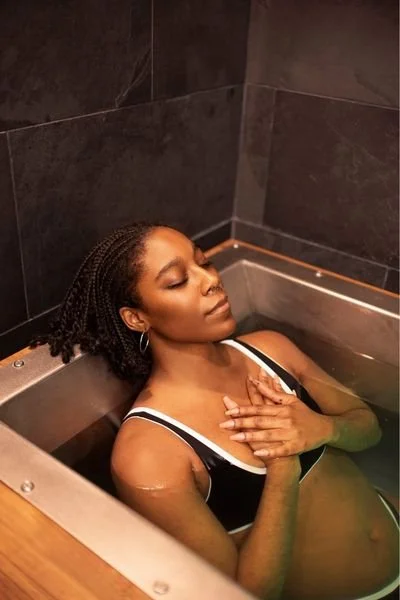
The Unique Benefits of Cold Water Immersion for Female Physiology
The rising popularity of cold water therapy has prompted many to ask whether the practice is equally beneficial across different physiological profiles, and specifically whether cold plunges are good for women.
The answer is a resounding yes.
Learn more how cold plunging uniquely serves women’s physiology across the nervous system, hormones, skin vitality, and metabolic health.
NERVOUS SYSTEM REGULATION
When a woman enters a cold plunge, the immediate vasoconstriction and subsequent vasodilation create a powerful circulatory pump that flushes metabolic waste and reduces systemic inflammation. This process is particularly beneficial for women, who statistically experience higher rates of autoimmune conditions and chronic inflammatory responses than men. The rush of oxygenated blood that follows the plunge helps to repair cellular damage and promotes a profound sense of physical renewal.
Furthermore, the deliberate exposure to cold water stimulates the vagus nerve, which plays a critical role in regulating the parasympathetic nervous system. For women navigating high-stress environments or balancing multiple demanding roles, this nervous system reset can be transformative, shifting the body from a state of chronic "fight or flight" into a restorative "rest and digest" mode.
The mental resilience cultivated through regular cold plunging is another significant advantage. Stepping into cold water requires a conscious override of the body's natural avoidance instincts, building a mental fortitude that translates directly into everyday life. The massive release of endorphins, dopamine, and norepinephrine that occurs during and immediately after the plunge provides a natural, sustained mood elevation that is highly effective at combating stress, anxiety, and the mental fatigue that often accompanies a busy lifestyle.
SKIN + BODY VITALITY
Beyond the internal physiological and psychological shifts, many women also report noticeable improvements in skin health. The increased circulation delivers a surge of nutrients and oxygen to the dermis, while the cold temperature temporarily tightens pores and reduces facial puffiness, resulting in a vibrant, natural glow.
Cold water immersion also stimulates the production of collagen, the structural protein responsible for skin elasticity and firmness, making it a genuinely effective tool for those interested in maintaining healthy, youthful-looking skin.
The lymphatic system, which does not have its own pump, also benefits enormously from the repeated contraction and expansion of blood vessels during a plunge. This enhanced lymphatic circulation helps the body clear out cellular waste, reduce bloating, and support a stronger immune response, all of which are particularly relevant concerns for many women.
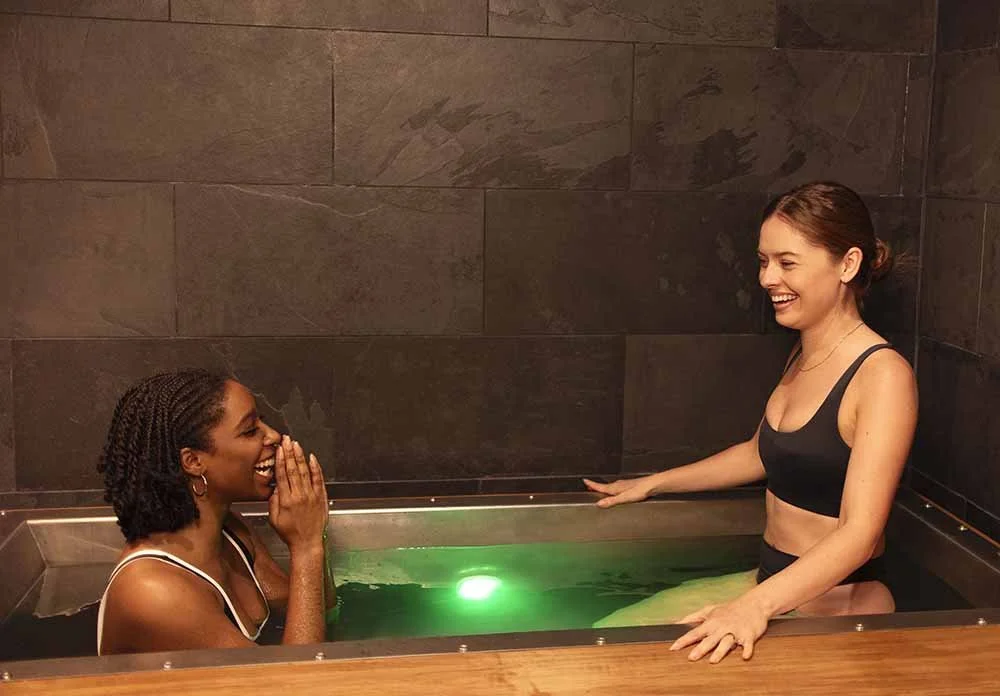
How Cold Plunging Interacts with Hormonal Health
One of the most compelling reasons women are turning to cold therapy is its potential to positively influence hormonal balance. The female endocrine system is complex and dynamic, fluctuating significantly throughout the menstrual cycle, during pregnancy, and through the transition into menopause.
Cold plunging acts as a hormetic stressor, meaning it is a brief, manageable stress that ultimately strengthens the body's adaptive responses. This type of controlled stress can help to regulate the hypothalamic-pituitary-adrenal axis, which is responsible for managing the body's stress response and cortisol production.
By training the body to handle the acute stress of the cold, women can improve their baseline cortisol levels, reducing the chronic stress that often disrupts the delicate balance of estrogen and progesterone. Lowering chronic cortisol is essential for maintaining a healthy menstrual cycle and mitigating the severity of premenstrual syndrome symptoms.
During the luteal phase of the menstrual cycle, many women experience increased core body temperature, water retention, and heightened systemic inflammation. The potent anti-inflammatory effects of cold water immersion can provide significant relief from these symptoms, reducing bloating, easing breast tenderness, and alleviating the muscular aches and pelvic cramping that often precede menstruation.
Additionally, the mood-stabilizing benefits of the endorphin release can help counteract the emotional volatility and depressive symptoms that some women experience during this phase. For women navigating perimenopause and menopause, cold plunging offers a natural method for managing vasomotor symptoms like hot flashes and night sweats. The practice trains the body's thermoregulatory system to become more efficient at adapting to temperature changes, potentially reducing the frequency and intensity of these disruptive episodes. To fully explore how temperature therapies can support your endocrine system, you can learn more about hormonal health at Pure Sweat.
The relationship between cold water therapy and thyroid function is another area of growing interest. The thyroid gland plays a central role in regulating metabolism, energy levels, and body temperature, and it is a gland that disproportionately affects women.
While cold plunging is not a treatment for thyroid disorders, the practice's ability to reduce systemic inflammation and support the immune system may offer indirect benefits for women with autoimmune thyroid conditions such as Hashimoto's thyroiditis. As always, anyone managing a thyroid condition should work closely with their physician before incorporating cold plunging into their routine.
Navigating the Menstrual Cycle and Pregnancy
While the benefits are substantial, integrating cold plunging into a wellness routine requires a nuanced approach that respects the natural rhythms of the female body. The menstrual cycle can significantly influence how a woman responds to and recovers from cold exposure.
During the follicular phase, which begins on the first day of menstruation and lasts until ovulation, women generally have higher pain tolerance, better recovery capacity, and a greater ability to handle physical stressors due to rising estrogen levels. This is often the optimal time to push for longer plunge durations or colder temperatures, as the body is primed to adapt and recover efficiently.
Conversely, during the luteal phase following ovulation, the body is already working harder, with a naturally elevated core temperature and increased metabolic demands. During this time, women may find that they are more sensitive to the cold and that their recovery takes longer.
It is crucial to listen to the body and adjust the practice accordingly, perhaps opting for shorter plunges or focusing entirely on restorative heat therapies during the days immediately before menstruation.
The practice of cold plunging is ultimately a conversation with your body, and the willingness to modify the approach based on where you are in your cycle is a sign of wisdom, not weakness.
Pregnancy introduces a completely different set of physiological considerations. The general consensus among medical professionals is that pregnant women should avoid extreme temperature fluctuations, including both intense heat and severe cold. The primary concern with cold plunging during pregnancy is the potential for the sudden shock to cause a significant spike in blood pressure or to divert too much blood flow away from the uterus as the body attempts to protect its core temperature.
Women who are pregnant, trying to conceive, or currently breastfeeding should always consult with their healthcare provider before beginning or continuing a cold plunge practice. The postpartum period, however, can be an excellent time to gently reintroduce cold therapy, as the anti-inflammatory and mood-elevating benefits can be particularly supportive during the physical and emotional recovery that follows childbirth.
Building a Sustainable and Safe Practice
Establishing a cold plunge routine that provides long-term benefits requires consistency, patience, and a deep attunement to one's own body. For women new to the practice, the key is to start slowly and gradually build tolerance. Plunging into water that is between fifty and sixty degrees Fahrenheit for just one to two minutes is an excellent starting point that still delivers significant metabolic and neurological benefits.
As the body adapts over time, the temperature can be lowered and the duration extended, though it is rarely necessary to exceed three to five minutes to achieve the desired physiological responses. The goal is to stimulate the body's adaptive mechanisms, not to endure unnecessary suffering or risk hypothermia.
Focusing on slow, controlled nasal breathing while in the water is critical for managing the initial shock and guiding the nervous system into a state of calm acceptance rather than panic.
Pairing cold water immersion with heat therapy creates a profoundly synergistic wellness routine. Alternating between the intense cold of a plunge and the deep, penetrating warmth of an infrared sauna amplifies the circulatory benefits, creating a vascular pumping action that maximizes detoxification and recovery. This contrast therapy approach is particularly beneficial for women looking to optimize their metabolic health, enhance lymphatic drainage, and accelerate muscle recovery after intense physical exertion.
The combination of heat and cold also creates a powerful hormonal environment, with the sauna stimulating the release of growth hormone and the cold plunge elevating norepinephrine, together producing a state of deep physical restoration and mental clarity.
Regardless of the specific protocol, the most important aspect of a cold plunge practice is honoring the body's signals. Some days will feel effortless, while others may feel intensely challenging, and both experiences are valid parts of the process. Hydration is equally essential, as the body works hard during cold immersion and requires adequate fluid and electrolyte support before and after each session.
By approaching cold plunging with respect for female physiology, a commitment to mindful practice, and the support of our well-designed wellness environment at Pure Sweat, women can unlock a powerful tool for building resilience, vitality, and enduring health that serves them at every stage of life.