
Global history of Sauna Culture + thermal therapy
The human practice of intentional sweating is a universal phenomenon that spans across continents and millennia, reflecting a deep-seated understanding of the body’s need for thermal purification, holistic healing, and community connection.
From the frozen landscapes of Scandinavia to the jungles of Latin America, cultures have independently developed unique methods for utilizing heat and water to promote physical health, spiritual clarity, and social harmony.
Join us to explore some of the diverse traditions of thermal therapy, linking ancient rituals to the modern wellness practices of Pure Sweat today.
The Ancestral Origins of Thermal Therapy Across Ancient Civilizations
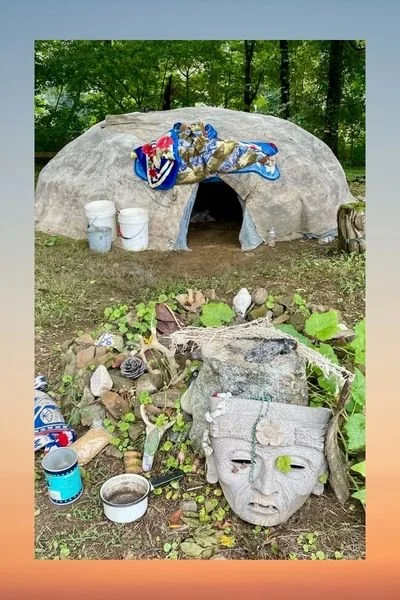
In the Americas, the tradition of the sweat lodge has been a cornerstone of Indigenous cultures for thousands of years, representing a profound connection between the individual, the community, and the natural world.
These sacred structures, often referred to as temazcals in Latin American traditions, were designed to represent the womb of the Earth, providing a space for rebirth and spiritual renewal. The process involved heating volcanic stones in a central fire and placing them inside a low, domed structure where water was poured over them to create a dense and humid steam.
This experience was far more than a physical cleansing; it was a deep spiritual journey intended to restore balance to the individual and the tribe. The temazcal was used for everything from preparing warriors for battle to aiding in the recovery of new mothers, highlighting its central role in the physical and emotional life of the community.
The ritual of temazcal is a common practice today, frequently accompanied by prayers, chants, and other spiritual practices, emphasizing the belief that physical cleanliness is inextricably linked to spiritual purity.
The philosophy behind the temazcal is rooted in the four elements of nature - earth, water, air, and fire - and the belief that the harmonious interaction of these elements is essential for health. Participants enter the lodge to sweat out negative energies and receive guidance from the ancestors, creating a powerful sense of continuity and shared identity.
Similar practices are found today among the Native American tribes throughout the U.S., where the sweat lodge serves as a site for vision quests and communal healing. These traditions emphasize the importance of the environment in the healing process and the belief that the body’s natural heat is a sacred force that can be harnessed for the greater good.
In addition to incorporating all four foundational elements of nature, conductors of the ceremony regularly honor all cardinal points (East, West, North, and South). : Leaders undergo years of apprenticeship, fasting, and vision quests to learn the sacred songs, language, and safety protocols required to conduct the ceremony.
Courtesy of BBC
The Spiritual and Physical Rituals of the Japanese Onsen and Misogi
Moving across the Pacific, the thermal traditions of Japan offer a unique perspective on the intersection of nature, spirituality, and hygiene.
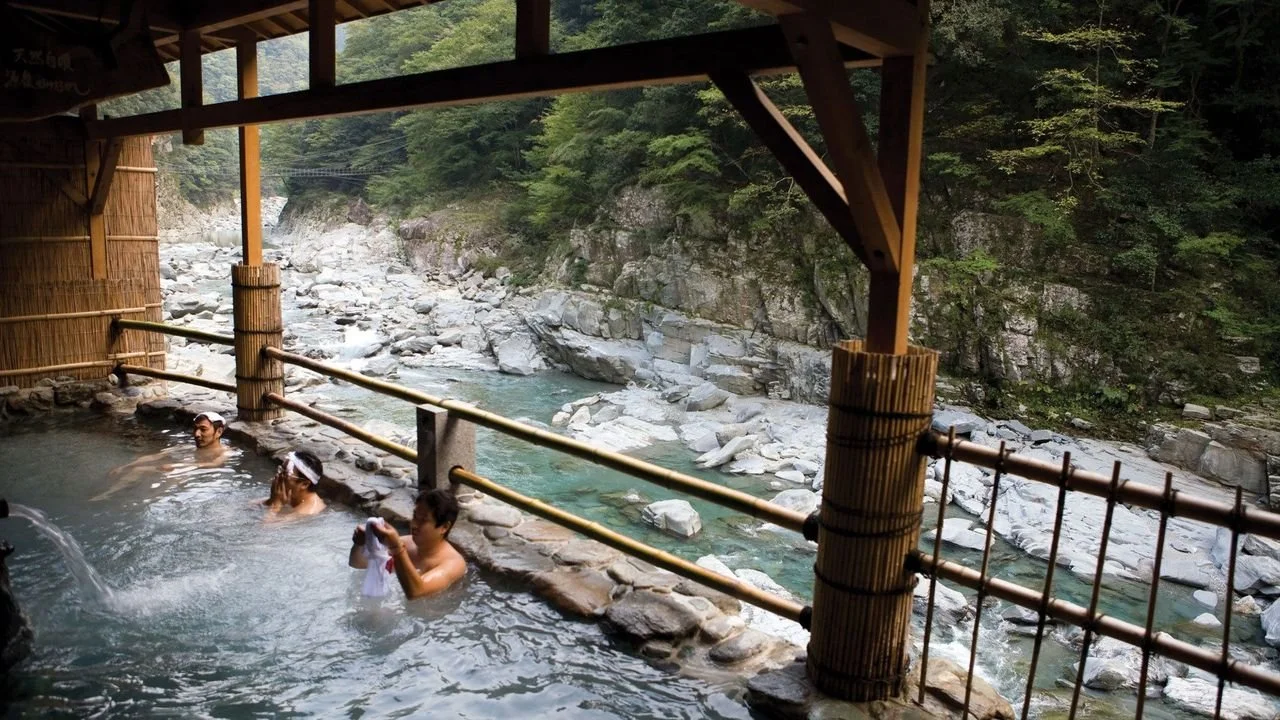
The Japanese onsen, or natural hot spring, has been a vital part of the country’s cultural fabric for centuries, providing a space for relaxation and social interaction.
The onsen focuses on the therapeutic properties of mineral-rich volcanic water, which is believed to heal a wide range of physical ailments and promote longevity. The practice of bathing in an onsen is governed by a strict set of etiquette and rituals that emphasize respect for the water and the community, creating a tranquil and meditative atmosphere that is a hallmark of Japanese wellness culture.
Central to the onsen experience is the misogi, a traditional Shinto practice of ritual purification through water. Misogi often involves standing under a cold waterfall or immersing oneself in cold water to cleanse the spirit and prepare the mind for spiritual practice.
An onsen also incorporates the practice of alternating between the hot springs and cold plunge pools, a method that is now widely recognized in the modern wellness world as contrast therapy. This ancient ritual is designed to stimulate the circulatory system and strengthen the body’s resilience, providing a powerful physical and mental reset.
In modern Western culture, a misogi has been adapted into an annual extreme challenge meant to test resilience, expand personal limits, and catalyze inner growth.
Courtesy of Architectural Digest
European and Middle Eastern Traditions from the Hammam to the Finnish Sauna
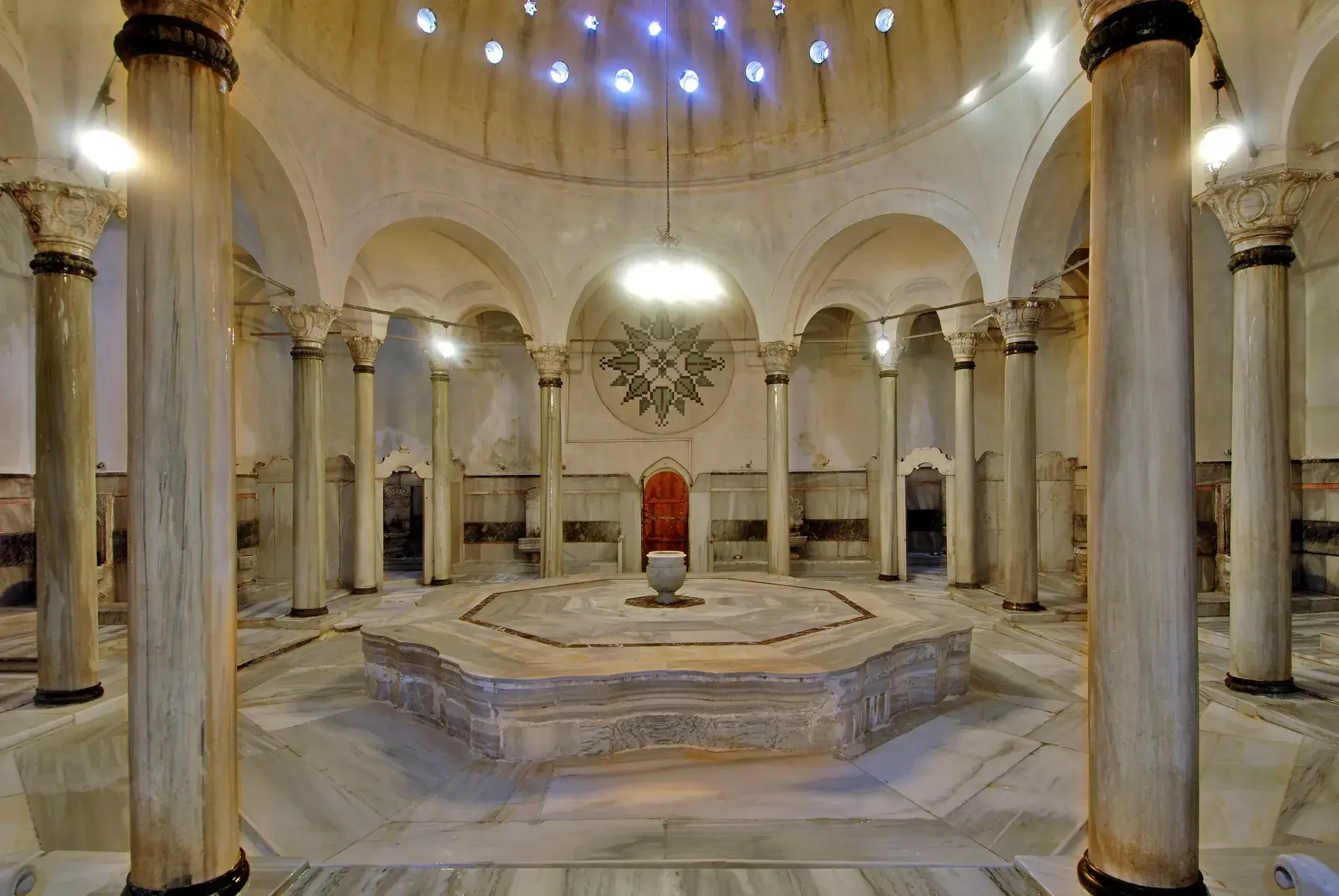
In the Mediterranean and the Middle East, the tradition of the hammam, or Turkish bath, evolved from the public bathing cultures of the Roman and Byzantine empires.
The hammam is characterized by its stunning architecture and its multi-stage process of heating, steaming, and vigorous exfoliation. This ritual was not only a means of maintaining physical hygiene in a hot climate, but also a vital social activity where people of all classes could gather to discuss business, politics, and community affairs.
The heat of the hammam is typically generated by a central heating system that warms the marble floors and walls, creating a gentle and pervasive warmth that prepares the body for deep cleansing. The experience is both a physical indulgence and a social necessity, reflecting the belief that communal wellness is the foundation of a healthy society.
Further north in the forests of Scandinavia, the Finnish sauna emerged as perhaps the most iconic and influential thermal tradition in the world. The word sauna itself is Finnish and is one of the few words from the Finnish language to be adopted into global English. In Finland, the sauna is a fundamental part of daily life.
The traditional Finnish sauna is a wood-lined room heated by a stove called a kiuas upon which water is thrown to create a burst of steam known as löyly. This practice is deeply ingrained in the Finnish identity and is associated with the concept of sisu - a unique blend of courage, resilience, and determination.
The Finnish sauna culture emphasizes the importance to endure heat as a means of strengthening both the body and the spirit. Cold plunging in a lake, sea or hole cut in the ice is a common companion to their sauna practice.
A famous Finnish sauna study tracked over 2,300 middle-aged men for an average of 20 years. They revealed that using a traditional hot Finnish sauna 4 to 7 times a week lowers the risk of sudden cardiac death by 63% and all-cause mortality by 40%, compared to using it just once a week.
Preserving Cultural Integrity in the Modern Era at pure sweat studios
The global history of sauna, soaking, and cold water therapy is a powerful reminder that our need for thermal purification is a fundamental part of our human nature.
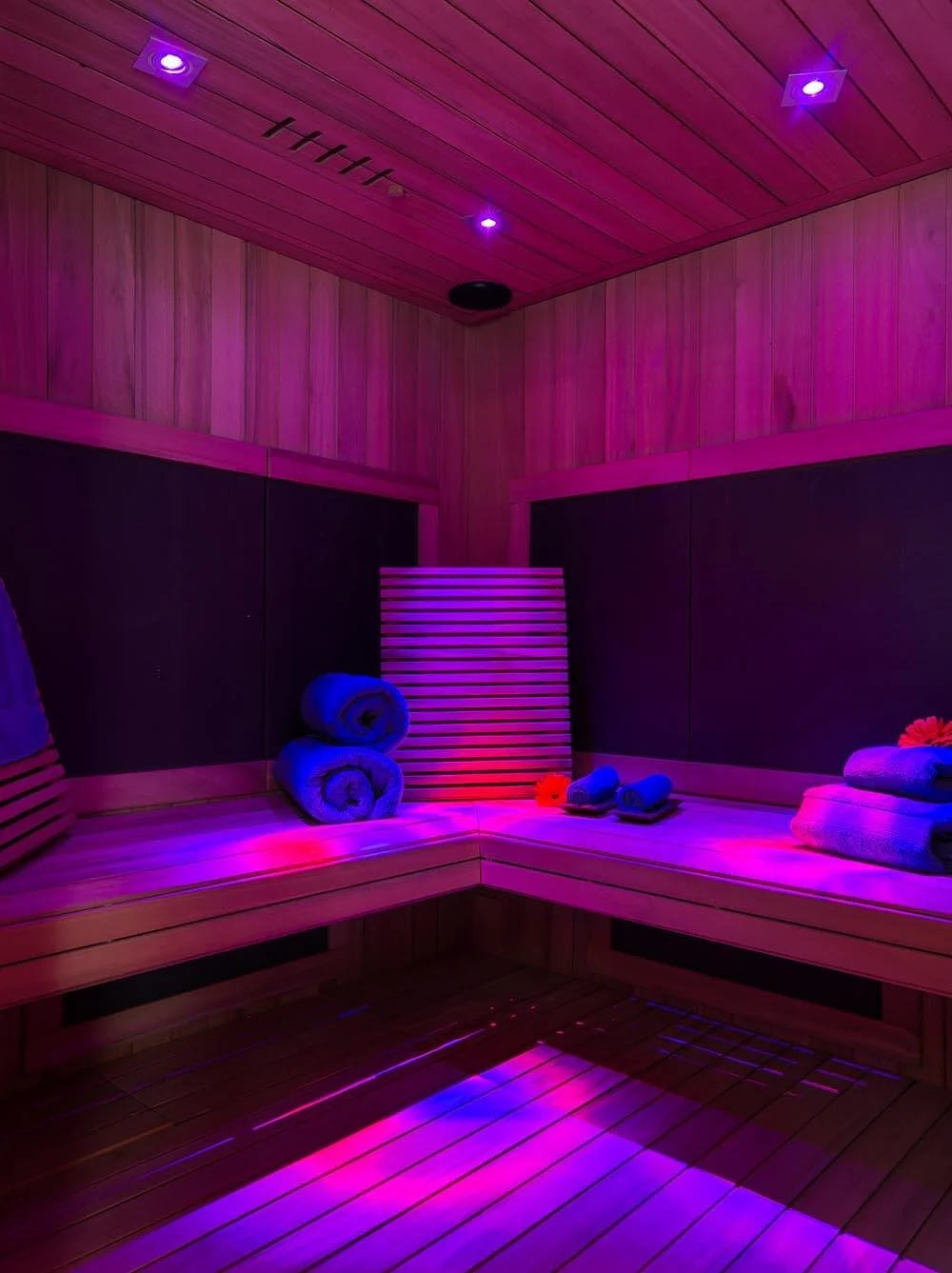
The modern infrared sauna, which uses advanced light technology to heat the body within at a cellular level, is the latest chapter in this long history of sweat. While the technology has changed, the fundamental goal remains the same - to support the body’s natural detoxification processes and provide a safe space for deep relaxation and renewal.
Pure Sweat Studios continues this noble tradition, providing a sanctuary where you can find the same clarity, purity, presence, and renewal that our ancestors sought thousands of years ago. The integration of infrared technology into the traditional sauna model allows for a more accessible and optimized health experience, making the benefits of thermal therapy available to a wider audience than ever before.
Pure Sweat’s contrast therapy program combines infrared sauna with cold plunging, creating a private experience to transition between hot and cold to support the body’s natural healing mechanisms, providing energy renewal, metabolic health, pain relief, and mental clarity that can last for days. Our private suites are intentionally designed to foster an immersive experience to connect within and build inner resilience. Breathwork, intention-setting, and contrasting with friends and loved ones are cherished practices.
Our float therapy at Pure Sweat Studios provides a modern day experience to soak in magnesium-rich water. Through the power of weightlessness, total stillness, and 1,000 lbs. of pristine, Epsom salt water, Floating is one of the most progressive + effective healing forces for mind, body, and spirit health. Our collection of sound therapy tracks can be customized for a supported mindset.
Whether it is the spiritual journey of the temazcal, the ritual purification of the onsen, the communal warmth of the hammam, or the resilient spirit of the Finnish sauna, the practice of intentional sweating and thermal therapy has always been about more than just physical health. It is a practice of connection - connection to ourselves, to our communities, and to our natural being.
By embracing the global heritage of the sauna, we can unlock new levels of vitality and build a more resilient and connected world, one sweat at a time.